Slicker Brush for Dogs & Cats: How to Choose and Use One
A slicker brush can lift loose hair and light tangles from many medium, long, curly or dense coats, but it is not the right tool for every pet. Learn how coat type, gentle technique and short sessions shape a better grooming routine.
What is a slicker brush for?
A slicker brush has a bed of fine pins designed to move through the coat and collect loose hair. It is often useful for dogs with medium, long, curly, wire or denser coats, and for cats that tolerate gentle brushing. It should never be used with heavy pressure: the goal is to brush the coat, not scrape the skin.
Brush choice depends on the individual pet. Coat length, density, sensitivity and existing tangles matter more than a breed name printed on a product page.
Slicker brush, bristle brush or undercoat tool?
| Tool | Usually useful for | Use with care |
|---|---|---|
| Slicker brush | Loose hair and light tangles in many medium, long, curly or denser coats. | Use light strokes. Stop if the brush catches repeatedly or your pet pulls away. |
| Soft bristle or rubber brush | Short, smooth coats and gentle surface grooming. | It may not reach a thick undercoat or work through tangles. |
| Comb or undercoat tool | Long coats, dense undercoats or areas that need more targeted work. | Choose the right tooth length and ask a groomer for help with tight mats. |
How to use a slicker brush without pulling
- Start when the coat is dry and your pet is calm. Let them sniff the brush, then begin with a few strokes on an easy area such as the shoulder or side.
- Use short, light strokes. Work in the direction of hair growth and lift the brush away instead of dragging it through the entire coat.
- Work in small sections. Check behind the ears, under the collar, armpits and the back of the legs, where tangles can form.
- Pause before a tangle becomes a struggle. Hold the hair above a small tangle to reduce pulling, or ask a professional groomer for help if it is tight.
- End while the experience is still positive. A short session with a treat is more useful than a long session your pet learns to avoid.
When to stop and ask for help
Do not brush over cuts, scabs, hot spots, painful-looking skin or severe mats. Do not cut mats out with household scissors. If your pet develops bald patches, persistent scratching, a sudden coat change or obvious discomfort, speak with a vet. A professional groomer can help with compacted mats safely.
The self-cleaning brush on Furtopia
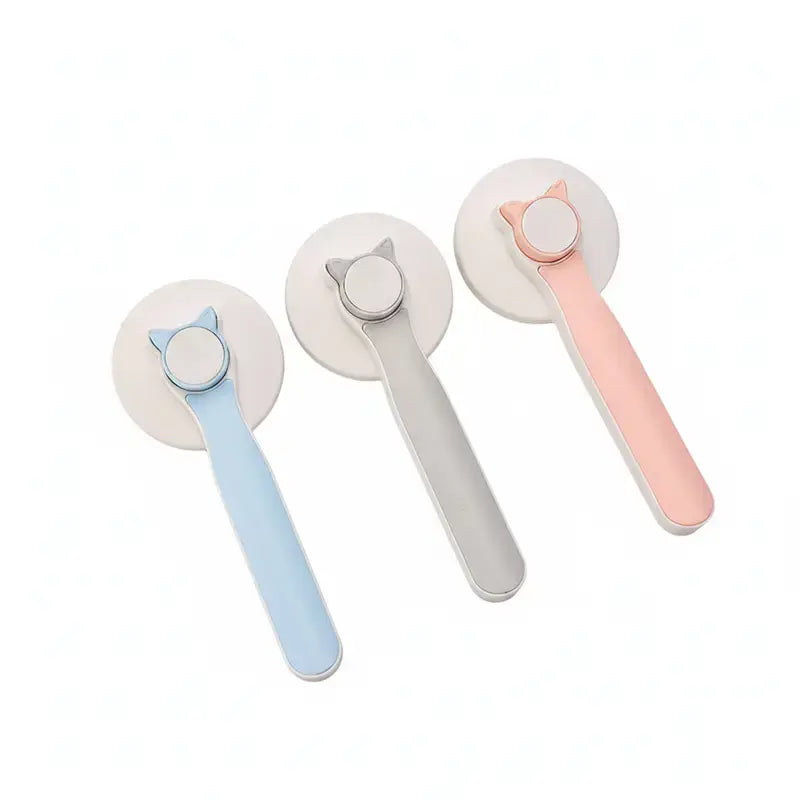
The Self Cleaning Slicker Brush for Dogs & Cats has fine, flexible bristles and a button that releases collected hair for simpler clean-up. It is a grooming tool, not a cure for shedding or a substitute for veterinary care. Use it gently, choose sessions that suit your pet’s coat and tolerance, and stop if they are uncomfortable.
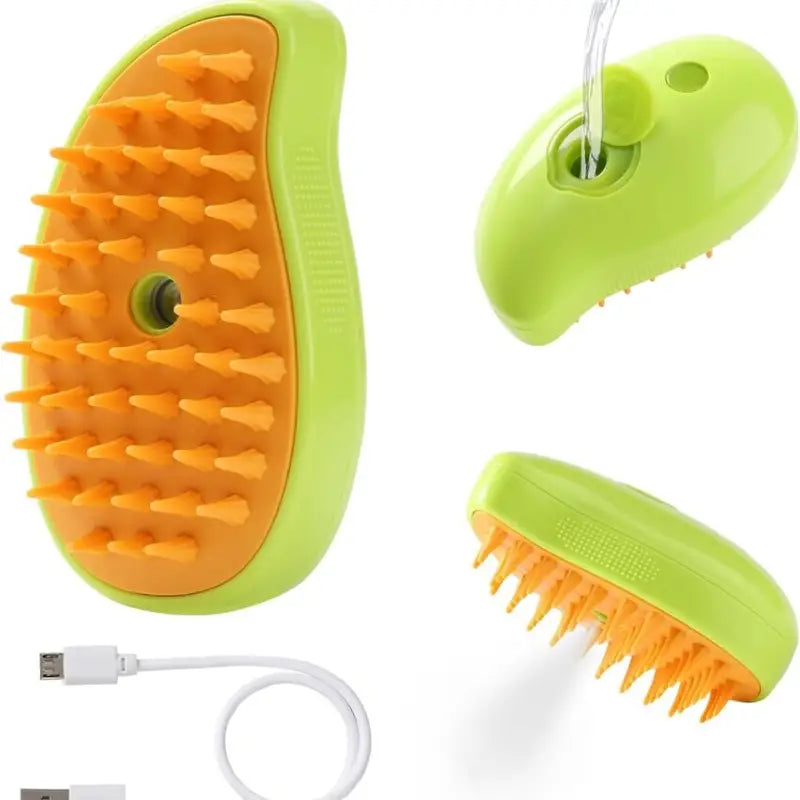
For a softer, mist-based grooming option, compare the Pet Mango Steam Brush. For an at-home set-up with several tools, see the Furtopia Grooming Kit.
Frequently asked questions
Can I use a slicker brush on a short-haired dog or cat?
Some short-haired pets tolerate a gentle slicker brush, but a soft bristle or rubber tool may be a better first choice. Watch your pet’s response and use the lightest pressure possible.
How often should I use a slicker brush?
It depends on coat type and shedding. Start with short sessions a few times a week for a coat that needs regular care, then adjust based on loose hair, tangles and your pet’s comfort.
Does a self-cleaning button groom my pet automatically?
No. It makes it easier to remove collected hair from the brush after you groom. You still control every stroke and should keep the session gentle.
Browse all Furtopia grooming tools, or read our guides on reducing cat shedding and grooming a dog at home.